
Quick answer: #iGiveCatholic 2026 takes place on GivingTuesday, Tuesday, December 1, 2026. Advanced Giving opens Monday, November 16, and extended giving closes Tuesday, December 8. Catholic schools and parishes that treat the four weeks before Giving Day as a plan (case and page, then team and match, then Advanced Giving, then a scheduled Giving Day and a fast thank-you) raise more and keep more of their new donors.
Is four weeks enough time to plan for GivingTuesday?
Yes, if you treat it as a plan rather than a single email. Between now and Giving Day you have four working weeks: enough to set your case, finish your page, recruit ambassadors, secure a match, and schedule every message before Thanksgiving.
What is #iGiveCatholic?
#iGiveCatholic is the largest Catholic giving day in the United States. Last year, 1,845 Catholic parishes, schools, and ministries invited 64,180 donors to give $26.7 million in a single day. Now in its twelfth year, #iGiveCatholic runs on the MightyCause platform and coincides with GivingTuesday. Whether this is your first year or your tenth, the playbook below is built to be followed week by week.
One reminder before the tactics. At ISPD, we define development as the meaningful involvement of people in your mission and vision for the future. A giving day is one of the best ways to do that: a clear date, a concrete purpose, and a reason for every parent, grandparent, alumnus, and parishioner to share your story with their own circle. The dollars on December 1 matter. The new names in your database and the relationships you build with them afterward matter more.
#iGiveCatholic 2026 key dates
| Date | What happens | What your school or parish does |
|---|---|---|
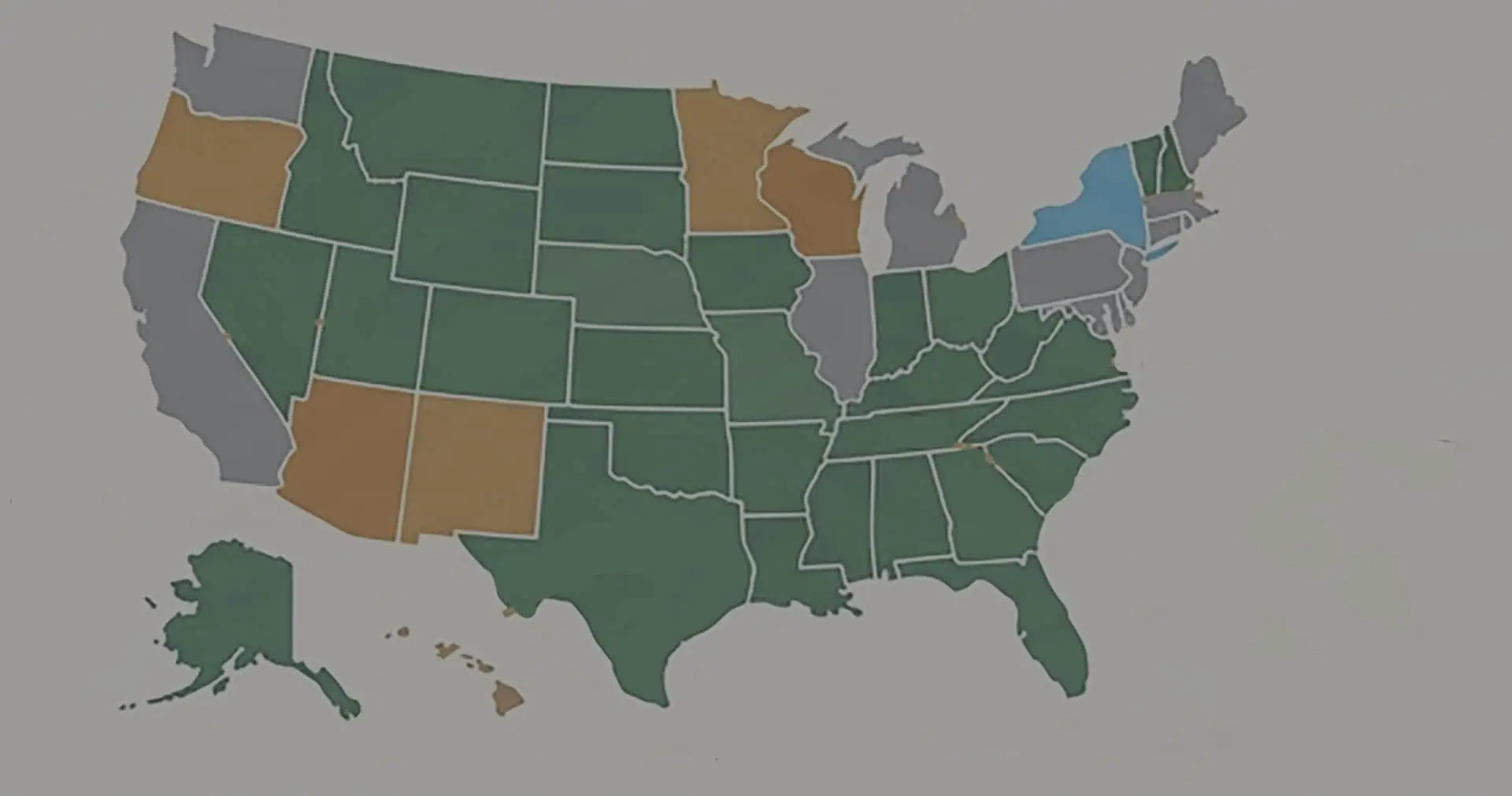
| November 1 (most dioceses) | Registration closes | Confirm you’re registered. Deadlines vary by diocese (Philadelphia, for example, runs through November 10). Check your local #iGiveCatholic community page. |
| Monday, November 16 | Advanced Giving opens | Your page is complete and live. Invite your closest supporters to give early. |
| Tuesday, December 1 | GivingTuesday and #iGiveCatholic Giving Day | Every channel, all day, on a schedule. |
| Tuesday, December 8 | Extended giving closes | Turn in checks and cash gifts. Final reporting. Thank every donor. |
Missed your diocese’s registration deadline? Don’t let GivingTuesday pass you by. Your current online giving platform almost certainly supports a GivingTuesday campaign, and every strategy below still applies. Put 2027 on the calendar now: #iGiveCatholic registration opens in mid-August.
The four-week #iGiveCatholic plan
Week 1 (November 2): Set your case and finish your giving page
Pick one purpose families can picture, and name a number. “$25,000 in tuition assistance for twelve families” beats “support our school,” ISPD recommends tying Giving Day to your Annual Fund rather than inventing a separate appeal, so the donors you gain in December are already Annual Fund donors in January. Mightycause’s own guidance agrees: donors respond to one bold, concrete goal with stakes attached, not “raise as much as we can.”
Then log in to your #iGiveCatholic dashboard and finish the To-Do List:
- Your goal and your story
- Three or four strong photos
- A 90- to 120-second impact video (a phone is plenty, and the footage doubles as enrollment marketing)
Your page should be complete several weeks before Advanced Giving opens, not the night before.
Master what’s new on the platform for 2026
#iGiveCatholic & Mightycause have rolled out new tools for 2026. Five are worth putting to work this year:
- Text-to-Give. Reach donors by text and let them give from their phones. Build texts into your Giving Day schedule: a morning launch, the match announcement, and a final-hours reminder.
- Automated emails. Set up donor follow-up once and let it run, so every gift gets a timely thank-you, even on the busiest day of the year.
- Unlimited templates. More room to customize your campaign so it looks and sounds like your school, not a generic fundraiser.
- Contacts. Mightycause’s donor management tool lets you segment supporters across more than 60 fields. Sort out first-time donors, alumni, and grandparents, and invite each group in its own way.
- Monthly giving settings. Better controls to encourage, manage, and track recurring gifts. Turn the option on and make it visible: a monthly donor is an Annual Fund donor who never has to be re-invited.
Connect it to Zapier. Use Zapier’s integration tools to connect your donor data to your mailing list or directly back to your giving database.
Every new GivingTuesday donor lands in your email list automatically, ready for the thank-you and the year-round touchpoints that follow. Then track what your emails bring in.
If it’s available in your account, you can also integrate directly with Mailchimp. You can see how each email performed and which ones generated the most donors and the largest amount of gifts.
Need graphics?
#iGiveCatholic offers a full complement of digital and print graphics built in Canva and easily customized for your school or parish.
Week 2 (November 9): Build your ambassador team and secure a matching gift
Name one point person and five to ten ambassadors: current and former board members, Home and School leaders, faculty and staff, alumni parents, grandparents, and students (who make the best videos). Mightycause recommends recruiting peer-to-peer fundraisers at least three weeks before the day and giving each one a simple script, a pre-built page, and a personal invitation from the principal or pastor.
Invite a board member, business owner, or loyal donor to put up a matching gift. A match of $1,000 to $5,000 creates urgency; if you can line up more than one, stagger them throughout the day. If your diocese offers prizes for specific hours, use a matching gift to boost engagement during those hours. Send at least one person to #iGiveCatholic’s or your diocese’s training webinars.
Week 3 (November 16): Launch Advanced Giving
Invite your closest supporters first: board, faculty and staff, past donors, and the families who always say yes. Early gifts move the thermometer, so nobody lands on an empty page on December 1. Share progress (“We’re 30 percent of the way there”) and thank each gift as it arrives.
Reserve space in every newsletter, bulletin, and take-home folder through December 1, and schedule your emails and social posts this week.
Pro Tip: Make every classroom a team.
Elementary students love a contest, and the platform is built for one. Mightycause offers Team Pages, which #iGiveCatholic itself recommends for “a group such as a board or class at a school.” Give each class its own page, and every gift still counts toward your school’s goal.
- Build a team page for each class. Name it the way the kids say it: “Mrs. Garcia’s 2nd Grade.”
- Set two prizes. The class that raises the most wins a pizza party. The class with the most donors wins a movie and comfy-clothes day. A second prize keeps small classes in the race and rewards the number of people invited, not just the size of the gifts.
- Print a business card for each class. The front includes the class name, prize, and dates. The back carries a QR code linked to that class’s page. Any free QR generator will do, and a standard 10-up business card sheet keeps printing cheap.
- Send cards home on Friday, November 20. Give each child a small stack to hand out at Thanksgiving dinner. Advanced Giving opened November 16, so gifts can land that same night.
- Post the standings. A hallway leaderboard and a line in morning announcements keep the race alive through December 1.
This is the second ripple at work: a grandparent three states away gives because a seven-year-old handed her a card over pie. Capture every name, address, and thank each family personally.
Giving Day (December 1): Run the day as a schedule
- Morning: launch email and social post, plus carpool line and assembly announcements.
- Midday: progress update and matching-gift announcement. Send a short note to anyone who hasn’t given yet and make it two clicks.
- Prize Hours: If your diocese runs cash prize incentives for most donors in an hour, or most raised in an hour. Hit all your channels at least twice during this hour.
- Evening: “final hours” email and post, with the match deadline as the urgency.
- Night: a thank-you post to everyone who gave and everyone who shared.
How many messages should you send on GivingTuesday? Plan on four to six emails, two or three texts, and a social update every hour or two. Tell families ahead of time they’ll hear from you often, and keep a phone bank or pledge cards ready for donors who will never give online.
After Giving Day (December 2–8): Thank donors and close out
Thank every donor within 24-48 hours. Call first-time donors and anyone who gave $1,000 or more; have students write the notes. Share the total and what it will do. Turn in offline gifts by December 8.
Then keep going: an impact update in week two, a personal note to major donors in month one, a story from the classroom in month three. Mightycause’s guidance calls for at least seven meaningful touchpoints before the next invitation to give. That is ISPD’s 7 I’s in practice: Identify, Inform, Invite, Involve, Implement, Invest, Improve.
Five giving-day tips from the Mightycause playbook
Mightycause, the platform behind #iGiveCatholic, publishes its own guidance for giving days. Five points worth borrowing:
- Start earlier than feels necessary. In a Firespring survey of 691 nonprofits cited by Mightycause, 68 percent of early planners raised more than $5,000, while 70 percent of those who planned a month or less raised under $5,000.
- Let donors cover the processing fee. Most will say yes when the option is at checkout, and more of each gift reaches your mission.
- Put the door on your own website. A homepage banner with your #iGiveCatholic link, or an embedded donation form, means families never have to look for it.
- Offer a monthly option. Mightycause cites Dataro’s benchmark that recurring donors carry roughly nine times the lifetime value of new one-time donors. A $50 gift that becomes $50 a month is $600 a year, and a monthly donor is an Annual Fund donor who never has to be re-invited.
- Write everything before the day. Draft and schedule at least three emails, the social posts, and the thank-you in advance, so you can spend December 1 celebrating with your team instead of writing from scratch. However, be prepared to be flexible. A donor may call or email you with a matching gift at 3 p.m. for the final hour of the day. If you’re competing for prize money, you may need a sudden push for additional donors in the final couple of hours. Prize incentives make the day exciting, and even if your diocese doesn’t offer them, you can use those major donor matching gifts as internal incentives to push new donor engagement.
Why the real win is the second ripple
The dollars on December 1 always include the first ripple in the pond: the twenty or thirty families who are always involved, giving again. The second, third, and fourth ripples are the grandparents, alumni, and parishioners who gave because a student or an ambassador personally invited them. Get those names into your database, thank them personally, and fold them into your Annual Fund so that by next December they are giving because they belong, not because it was GivingTuesday. Belonging leads to believing.
Frequently asked questions about #iGiveCatholic 2026
Need a second set of eyes?
ISPD coaches Catholic schools and parishes through giving days and the Annual Fund that follows them. If your team wants feedback on your case language or campaign page before November 16, reach out. And tell us how your school does. We’d love to share your results.
About the author: Jason Crundwell is an Associate and Director of Digital Initiatives at the Institute for School and Parish Development (ISPD), a Catholic development consulting firm serving schools, parishes, and dioceses since 1989. He previously served as a Catholic school advancement director and raised $23,000 in his first year and $42,000 in the second year through a Giving Tuesday campaign.