There is a version of strategic planning where three or four people — a teacher, a board member, a parent — sit down for a session or two and write the plan. It is quick. It is easy. And almost nobody in the school feels any ownership of what comes out of it, because it was never theirs.
The ISPD Strategic Growth Plan is built the other way. We identify, invite, and involve people from every part of your school community — including many who have never been involved before — and the plan that results is the one they helped write.
The process runs in a six-, eight-, or ten-month version. Same philosophy, same rigor; the scope scales to the size of your school and the time your leadership can give it.
Belonging leads to believing. A plan people helped build is a plan people implement.
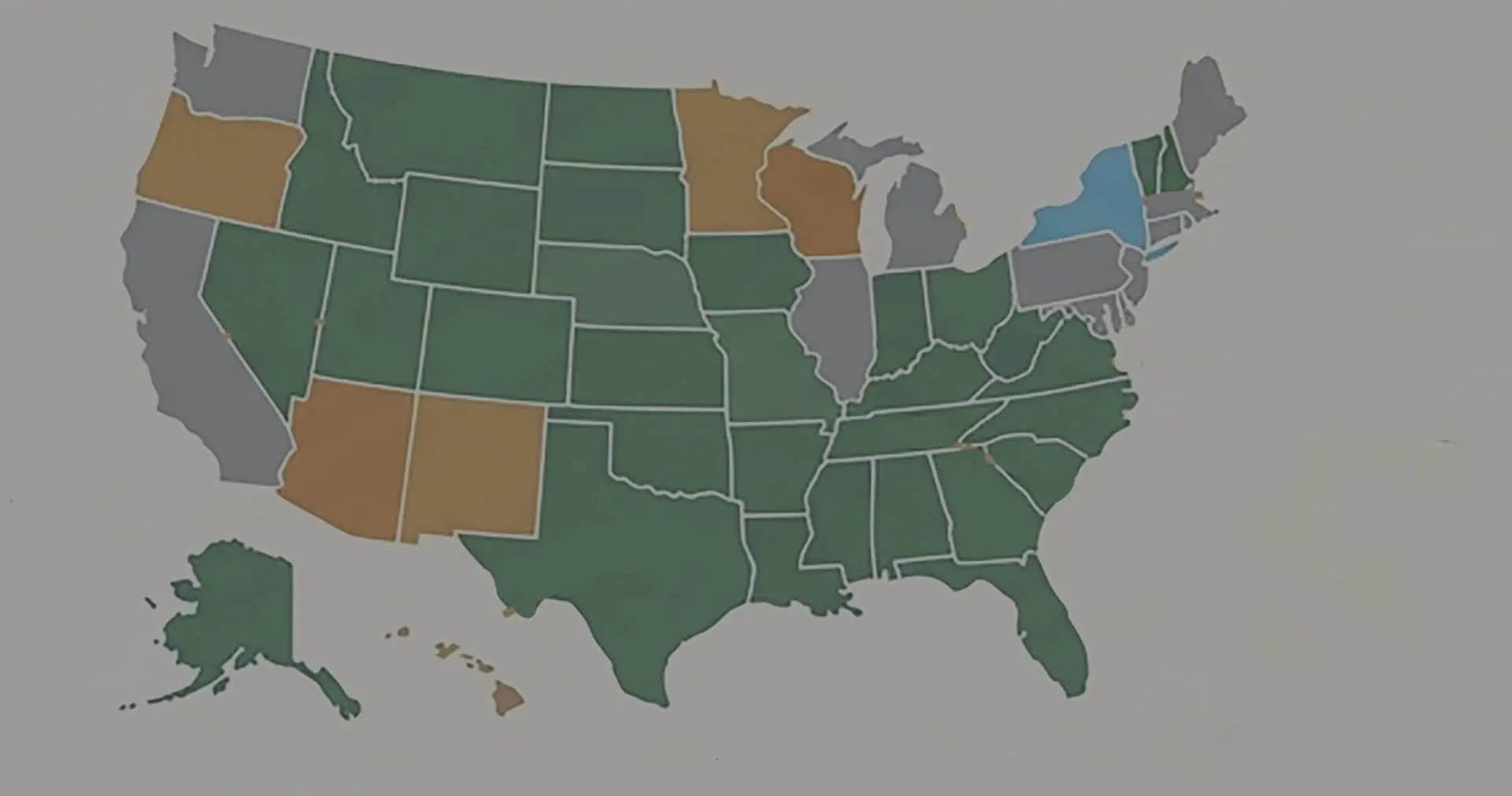
Catholic school strategic plans facilitated
months, scaled to your school
people at the Convocation
independent barometers set the priorities
Is this the right plan for your school?
The Strategic Growth Plan fits when:
Consider another process if…
The issue is one function, not the whole school. If enrollment or advancement is the problem, a Strategic Plan for Advancement and Enrollment Management goes deeper on that in six to eight months.
A parish is planning alongside you. When a parish and school need one shared plan rather than two, that is a Collaborative Strategic Plan.
You are planning across a diocese. See (Arch)Diocesan Strategic Growth Planning.
The Process

What you receive
The Plan itself
Everything around it
Success Story — Cincinnati, Ohio
Archbishop Moeller High School
Moeller is Catholic, Marianist, and all-boys, and it has been forming young men in Cincinnati for more than sixty years. It has also been an ISPD client across decades and four engagements — a first strategic plan, a second, a capital campaign that closed $7 million over goal during the COVID years when most schools were postponing, and now a Strategic Growth Plan for 2026 through 2030.
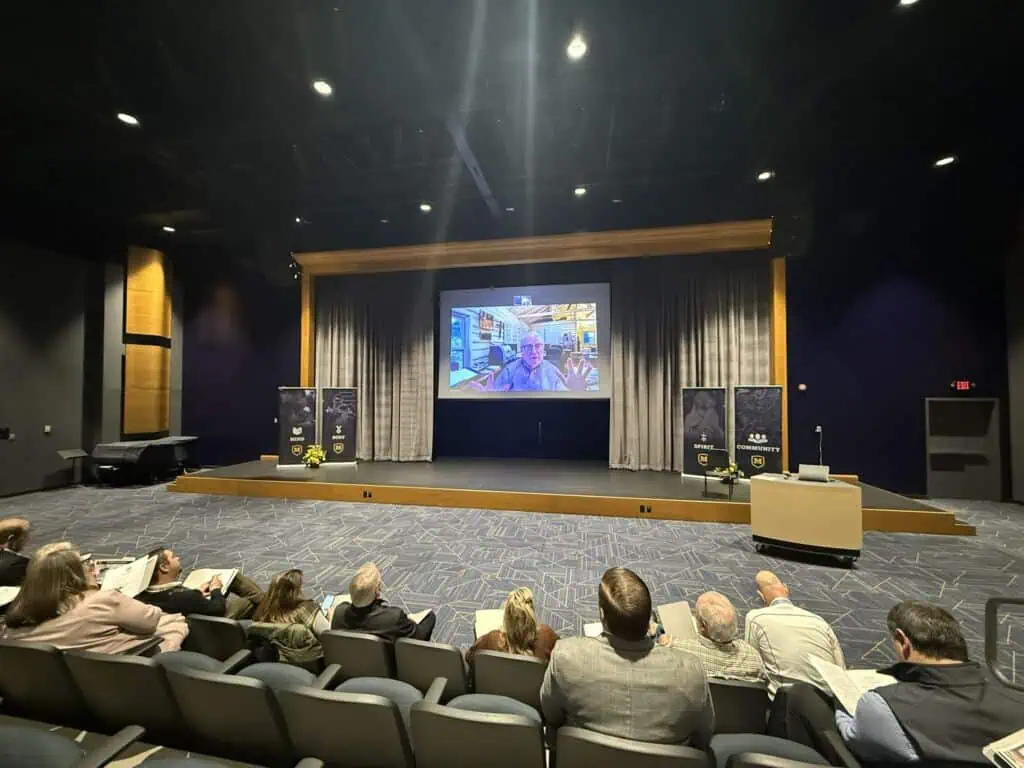
The plan was built the way ISPD builds them: an external Assessment, the Ultimate Question Satisfaction Survey, an Executive Committee and a Steering Committee, twelve Planning Area Teams, and a school-wide Convocation. Out of that came four strategic domains, twelve Planning Areas, and thirty-three Challenges — with the top ten ranked for year one by every constituency that helped shape them.
First priority: a comprehensive Five-Year Site Master Plan. Second: faith formation carried into every team, club, and hour of student life. Third: a planned giving program to build the endowment.
Moeller is now in implementation. Teams are formed, chairs identified, and progress reports go to every stakeholder every six months — because transparency is what turns a document into ownership.
The strongest endorsement in this work is not a testimonial. It is a school that calls again.
Questions school leaders ask us
Six, eight, or ten months, depending on the version you choose. All three produce the same final plan.
Ten months is the full process — four Planning Area Team workshops and a school-wide Convocation. Eight months is that same complete process accelerated, with committees meeting about twice a month instead of once. Six months — the Abbreviated Strategic Growth Plan — runs three workshops instead of four and does not include a Convocation.
The longer the timeline, the broader the participation and the deeper the buy-in. And the three are priced within a narrow band, so this is a decision about engagement and capacity rather than budget.
A school-wide survey adds one to two months to any version. Implementation then runs across the five years the plan covers, with ISPD helping form and guide the Implementation Teams.
Several hundred. Twenty-five to thirty leaders interviewed in the Assessment, fifteen to twenty on the Steering Committee, eight to twelve people on each of eight to twelve Planning Area Teams, and roughly two hundred at the Convocation — about sixty percent of whom have never been involved with your school before. That reach is the point, not a side effect.
Not ISPD, and not your leadership alone. Priorities emerge from five independent barometers: each Planning Area Team’s ranking, the Convocation teams’ multi-vote, a multi-vote by everyone at the Convocation’s close, each individual’s private top five, and a final Steering Committee multi-vote. When all five converge, the priorities are a finding rather than a decision — and nobody can claim the outcome was arranged in advance.
An evening — usually 6:00 to 9:00 — where roughly two hundred people gather with one instruction: solve the challenges. The word comes from convocare, to call together.
We draw a hundred-mile radius and invite pastors, campus ministers, board members, and business owners from other institutions, advancement directors from nearby schools and universities, and principals and teachers. They see the Challenges beforehand. They do not see the solutions your teams already wrote — because people handed answers rarely offer their own.
Most schools we work with do. The question is whether anyone is using it. A plan written by three or four people in a session or two is quick to produce and almost impossible to implement, because nobody outside that room feels any ownership of it. If your last plan is in a drawer, that is usually a buy-in problem rather than a content problem — and it is the specific thing this process is built to solve.
Not necessarily — and you should not decide that before the plan tells you. Where priorities point toward a capital project, the plan flows naturally into a financial feasibility study, and the case for the campaign is already written by the community that built the plan. That sequence is the strongest foundation a campaign can have.
Let’s Make Things Happen!
ISPD has facilitated more than 100 Catholic school strategic plans since 1989. We will help you choose the version that fits your school.
Contact us today to learn more.